







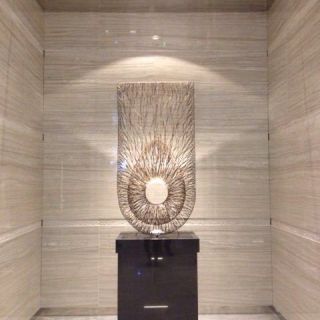
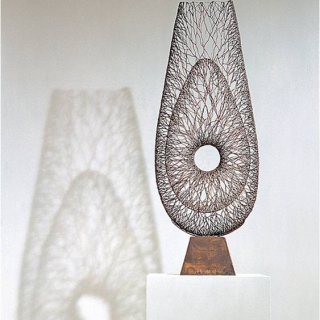
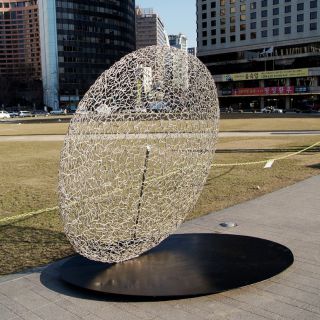
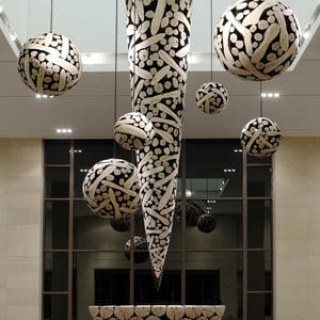
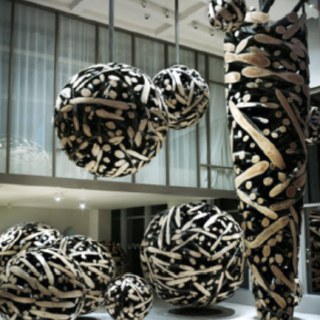
For decades, Lee Gil Rae has used nature as his muse and crafted sculptures from steel and copper pipes. In his persistent need to create organic forms Lee Gil-Rae takes it one step further in creating man-made nature. His works consist of surreal, leafless forests that one can meander into, with spiralling branches that are unnatural in structure but organic in aesthetic. These draw the viewer in to witness the intricate exteriors that mimic the curves and notches of aged tree bark. His sprawling branches fan out and are tipped with wisps of copper representing the needles of the pine trees, in true homage to Mother Nature. With rapid deforestation, Lee Gil-Rae's trees narrate the artificial nature that city dwellers so closely identify with. The man-made and constructed simulation of nature is apparent in all towns and cities. Nature is removed and confined to make room for the ever-expanding population.


Videos 
Videos
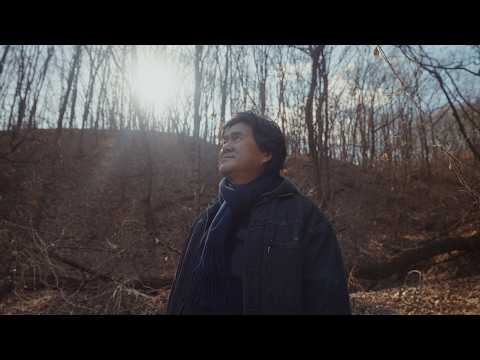
Grain of Time - The Pine by Lee Gil Rae
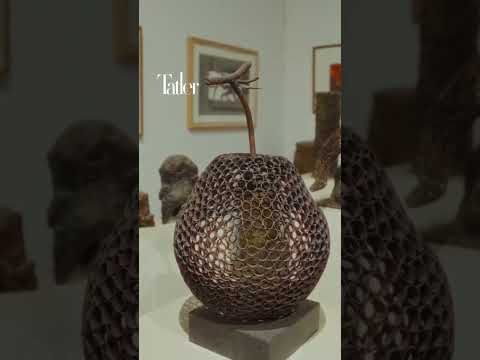
[TEASER] Lee Gil Rae: Grain of Time - The Pine
Biography
Biography
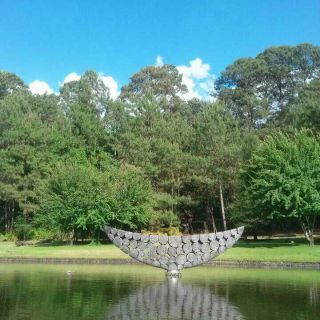
Lee Gil Rae graduated from Kyunghee University after studying in the Department of Art Education, later pursuing a Master’s in the Discipline of Sculpture. For decades, Lee has used the natural world as his muse, crafting sculptures from steel and copper pipes. In an era of rapid deforestation, Lee Gil Rae's works explore the concept of an “artificial nature”, a version of nature that city dwellers closely recognise and resonate with.
Driven by a persistent need to create organic forms, Lee Gil Rae takes it one step further in creating man-made nature. His installations consist of surreal, leafless forests that invite the viewer to meander through spiralling branches, both industrial in structure and organic in aesthetic. Close inspection reveals intricate surfaces that meticulously mimic the curve and notches of aged bark. Sprawling branches fan outward, tipped with copper wisps that evoke pine needles in a homage to Mother Nature.
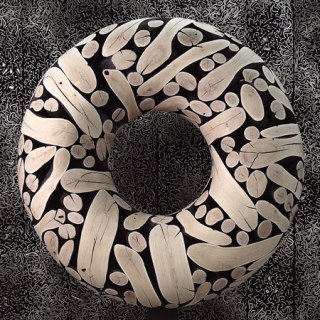
Lee Gil Rae’s process is deeply symbolic and intentional. He deconstructs the pine tree, strong and full of vitality even in barren land, into its fundamental form and most natural state. The use of copper resembles the texture of bark. It also creates exquisite shapes that transform the aesthetic properties of an organic plant into something contemporary and industrial.
Lee’s work is held in prestigious permanent collections worldwide, including the Seoul Museum of Art, the Samsung Foundation of Culture and the National Museum of Contemporary Art (South Korea). His global exhibition history reflects a broad, cross-cultural appeal, with major shows spanning from New York City, Rome and Dubai to Hong Kong and Singapore. Across these diverse markets, Lee’s sculptures offer a universal dialogue between East Asian heritage and global contemporary practice.
My concept for the Tree Series is to depict trees at their strongest and fullest vitality. It can be said that the shape of trees as natural objects expands one's vision of nature and an Oriental mise-en-scene is created through the laborious and intensive weaving process.
Exhibitions
Exhibitions
Solo Exhibitions
2026
Museo Carlo Bilotti, Italy
Grain of Time - The Pine, Ode To Art, Singapore
2025
Pine Tree Imbued with Life, Seongbuk-gu Museum of Art, South Korea
2024
Rooted to the Roots of Life: Net of Existence, SAVINA Museum of Contemporary Art, South Korea
2022
Re, Vitality, Gallery BK, South Korea
2020
TIMELESS PINE TREE, Opera Gallery, South Korea
Lee Gil Rae, Opera Gallery, Singapore
2015
Trees, The View from The Time, Gyeomjae Jeongseon Art Museum, South Korea
2012
Uncanny Pine Tree, Gallery BK, South Korea
2010
Building the Tree, the Form, SAVINA Museum of Contemporary Art, South Korea
2008
A Tree, Inherent Forms, SAVINA Museum of Contemporary Art, South Korea
Group Exhibitions
2025
Between Line and Stroke, Kim Chong Yung Museum, South Korea
2024
Open Songhyeon Sculpture Festival, South Korea
2023
Junnam Sumuk Biennale, Mokpo Culture and Arts Center, South Korea
HanGang Sculpture Project, Ttukseom Han River Park, South Korea
Korean ContemporaryArtist - Summer Blossom, Opera Gallery, Hong Kong S.A.R.
One Inspiration, Shanghai Museum, China
2021
HanGang Heung Project, Banpo Han River, South Korea
One Inspiration, Lazienki Palace Museum, Poland
2020
Serendipity, SAVINA Museum of Contemporary Art, Seoul, Korea
2019
PIECES_SCULPTURE, Seoul Olympic Museum of Art, South Korea
One Inspiration, The Korean Cultural Centre, Canada
Gate Avenue, Opera Gallery (Dubai), United Arab Emirates
Asian Art, Opera Gallery (New York City), United States of America
2018
From Nature to Culture, Opera Gallery (Paris), France
Perennial Youth and Long Life, Seongnam Cube Art Museum, South Korea
The Art of Matter, Opera Gallery, Monaco
2016
Metal Spirit, KOSA Space Gallery, South Korea
Assemble the Sculpture, LiGak Museum of Art, South Korea
2015
Conversion of Recognition, Seo-Ho Museum, South Korea
Art of Singapore City, Orchard Road, Singapore
2014
Knowledge of Healing-Emptying and Filling, Jeju Museum of Art, South Korea
Metal Works Today, Kimjongyoung Museum, South Korea
Architectural Sculpture, Soma Museum, South Korea 2013Jung Gwang Sik & Lee Gil Rae, Galeria Ethra, Mexico
2012
Pohang Steel Art Festival, Pohang Museum of Art, South Korea
Tasty Land, Yangpyeong Art Museum, South Korea
2011
POMA 2011 Art Way Project, Pohang Museum of Art, South Korea
Remember You, Hyundai Arts Center, South Korea
2010
Seoul Art Exhibition-Sculpture, Seoul Museum of Art, South Korea
International Sculpture Symposium Special Exhibition, Incheon City Museum, South Korea
2009
Our Garden, The 5th Open-Air Sculpture Exhibition, Gimhae Arts and Sports Center, Gimhae Cosmetic Jam, Insa Art Center, South Korea
2008
Arts and Play, Seoul Art Center, Hangaram Art Museum, South Korea
Creative Mind, SAVINA Museum of Contemporary Art, South Korea
2007
International Sculpture Symposium, Icheon Seolbong Park, South Korea
The 1st Open-Air Sculpture Exhibition, Pyramid Square in COEX Trade Center, South Korea
2006
Art-Park, Seongnam Art Center, South Korea
2026
Museo Carlo Bilotti, Italy
Grain of Time - The Pine, Ode To Art, Singapore
2025
Pine Tree Imbued with Life, Seongbuk-gu Museum of Art, South Korea
2024
Rooted to the Roots of Life: Net of Existence, SAVINA Museum of Contemporary Art, South Korea
2022
Re, Vitality, Gallery BK, South Korea
2020
TIMELESS PINE TREE, Opera Gallery, South Korea
Lee Gil Rae, Opera Gallery, Singapore
2015
Trees, The View from The Time, Gyeomjae Jeongseon Art Museum, South Korea
2012
Uncanny Pine Tree, Gallery BK, South Korea
2010
Building the Tree, the Form, SAVINA Museum of Contemporary Art, South Korea
2008
A Tree, Inherent Forms, SAVINA Museum of Contemporary Art, South Korea
Group Exhibitions
2025
Between Line and Stroke, Kim Chong Yung Museum, South Korea
2024
Open Songhyeon Sculpture Festival, South Korea
2023
Junnam Sumuk Biennale, Mokpo Culture and Arts Center, South Korea
HanGang Sculpture Project, Ttukseom Han River Park, South Korea
Korean ContemporaryArtist - Summer Blossom, Opera Gallery, Hong Kong S.A.R.
One Inspiration, Shanghai Museum, China
2021
HanGang Heung Project, Banpo Han River, South Korea
One Inspiration, Lazienki Palace Museum, Poland
2020
Serendipity, SAVINA Museum of Contemporary Art, Seoul, Korea
2019
PIECES_SCULPTURE, Seoul Olympic Museum of Art, South Korea
One Inspiration, The Korean Cultural Centre, Canada
Gate Avenue, Opera Gallery (Dubai), United Arab Emirates
Asian Art, Opera Gallery (New York City), United States of America
2018
From Nature to Culture, Opera Gallery (Paris), France
Perennial Youth and Long Life, Seongnam Cube Art Museum, South Korea
The Art of Matter, Opera Gallery, Monaco
2016
Metal Spirit, KOSA Space Gallery, South Korea
Assemble the Sculpture, LiGak Museum of Art, South Korea
2015
Conversion of Recognition, Seo-Ho Museum, South Korea
Art of Singapore City, Orchard Road, Singapore
2014
Knowledge of Healing-Emptying and Filling, Jeju Museum of Art, South Korea
Metal Works Today, Kimjongyoung Museum, South Korea
Architectural Sculpture, Soma Museum, South Korea 2013Jung Gwang Sik & Lee Gil Rae, Galeria Ethra, Mexico
2012
Pohang Steel Art Festival, Pohang Museum of Art, South Korea
Tasty Land, Yangpyeong Art Museum, South Korea
2011
POMA 2011 Art Way Project, Pohang Museum of Art, South Korea
Remember You, Hyundai Arts Center, South Korea
2010
Seoul Art Exhibition-Sculpture, Seoul Museum of Art, South Korea
International Sculpture Symposium Special Exhibition, Incheon City Museum, South Korea
2009
Our Garden, The 5th Open-Air Sculpture Exhibition, Gimhae Arts and Sports Center, Gimhae Cosmetic Jam, Insa Art Center, South Korea
2008
Arts and Play, Seoul Art Center, Hangaram Art Museum, South Korea
Creative Mind, SAVINA Museum of Contemporary Art, South Korea
2007
International Sculpture Symposium, Icheon Seolbong Park, South Korea
The 1st Open-Air Sculpture Exhibition, Pyramid Square in COEX Trade Center, South Korea
2006
Art-Park, Seongnam Art Center, South Korea

Stay connected.
Sign up to our newsletter for updates on new arrivals and exhibitions